Core Indicators of Layer 3 Switches
Layer 3 switches are defined by their combined high-speed Layer 2 switching and Layer 3 routing capabilities, supporting inter-VLAN routing, routing protocols, and hardware-accelerated packet forwarding.
Key Functional Indicators
1. Dual Switching and Routing Capability Layer 3 switches perform both MAC address-based switching within the same VLAN and IP address-based routing between different subnets, enabling efficient traffic management across complex networks . This dual functionality allows them to act as both a high-speed switch and a router in enterprise LANs or data centers. 2. Inter-VLAN Routing A core indicator is the ability to route traffic between VLANs without requiring an external router. This reduces latency and simplifies network design by consolidating routing and switching in a single device . 3. Support for Routing Protocols Layer 3 switches often support dynamic routing protocols such as OSPF, EIGRP, and BGP, allowing them to adapt to changing network topologies and optimize routing paths . This enhances scalability and reliability in large networks. 4. High-Speed Packet Forwarding These switches use ASIC-based hardware acceleration to forward packets at wire speed, minimizing latency and maximizing throughput. Methods like cut-through switching or packet-by-packet Layer 3 switching ensure efficient handling of both intra- and inter-subnet traffic . 5. VLAN Segmentation and Broadcast Control Layer 3 switches can segment networks into multiple VLANs, creating separate broadcast domains and improving network security and performance . They also allow VLAN trunking and aggregation for high-bandwidth connections. 6. Scalability and Port Density They provide multiple high-speed ports similar to Layer 2 switches but with added routing functionality, supporting large-scale deployments in enterprise and data center environments . 7. Advanced Traffic Management Many Layer 3 switches include QoS (Quality of Service) features, traffic prioritization, and policy-based routing, enabling administrators to control bandwidth allocation and optimize network performance . 8. Hardware and Software Integration Modern Layer 3 switches may support AI-driven traffic optimization, cloud-native management, and network automation, which are indicators of advanced operational efficiency and future-proofing .
Summary
The core indicators of a Layer 3 switch include dual L2/L3 functionality, inter-VLAN routing, support for routing protocols, high-speed hardware forwarding, VLAN segmentation, port density, QoS capabilities, and advanced management features. These indicators collectively define their role as high-performance, scalable, and intelligent network devices suitable for enterprise LANs, data centers, and carrier networks .
 Information
 What Is a Layer 3 Switch? Features, Benefits, and Use Cases
Learn what a Layer 3 switch is, how it works, and why it''s a common solution for enterprise networks needing speed,
 Information
 Layer 3 Switching
Layer 3 Switching – Routing Between VLANs on Modern Multilayer Switches In today''s high-performance networks, speed,
 Information
 How to Understand Layer 3 Switch? What Are Its Main Functions and
It can not only efficiently process layer 2 packets like a layer 2 switch but also process layer 3 packets like a router. This
 Information
 Comparing Layer 3 and Layer 2 Switches
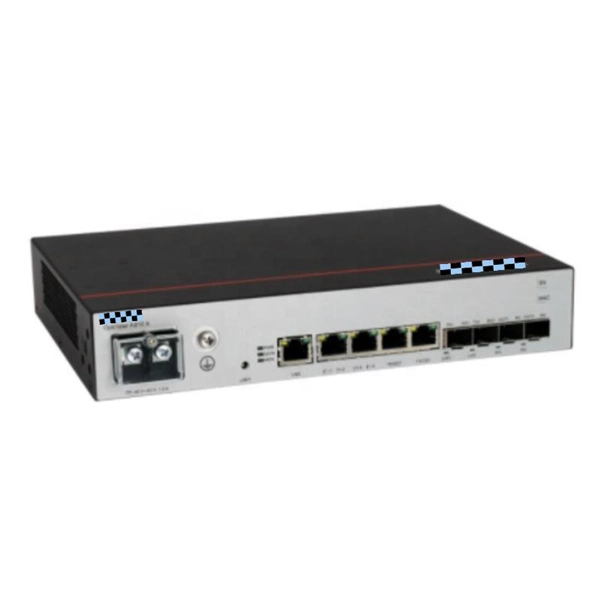
This article discusses the difference between layer 2 and layer 3 switches and the appropriate use cases for each.
 Information
 Layer 2 vs Layer 3 switches — Understanding the
Layer 2 vs. layer 3 switch: Understanding the differences that impact IT Switch ports are essential components of network
 Information
 What Is a Core Switch? Network Backbone Architecture Guide
A core switch is a high-capacity, high-performance Layer 3 switch positioned at the physical backbone of an
 Information
 Network Design and when to use layer 3 on switches
So I have a network of about 150 devices that I am looking at optimizing. Current setup: Only one VLAN, although I
 Information
 An Introduction to Layer 3 Switches
Also, the name "layer 3 switch" confuses because switches normally operate from layer 2. Layer 3 switches were originally designed
 Information
 Core Indicators of Layer 3 Switches
A Layer 3 switch combines the high-speed forwarding capability of a Layer 2 switch with the routing intelligence of a router. It can
 Information
 Layer 2 vs Layer 3 Switch: Key Differences and Use Cases
Layer 2 vs Layer 3 switch explained. Learn MAC vs IP forwarding, inter-VLAN routing,
 Information
 Layer 3 Switches Explained: Architecture, Routing Logic, Use Cases,
Technical guide to Layer 3 switches, covering L2 switching, IP routing, ASIC forwarding, VLAN segmentation, routing
 Information
 Layer 2 vs Layer 3 Switch: What''s the Difference? | Auvik
A network switch is a fundamental piece of any network, so it''s critical that you as an IT professional understand the
 Information
 Understanding the Core Switch: Key Differences and Uses
Explore the core switch''s role as the backbone of your network. Discover key differences,
 Information
 The Advantages of Layer 3 Switches: Why You Should Consider
Additionally, layer 3 switches support Quality of Service (QoS) and can prioritize traffic to ensure that time-sensitive
 Information
 Layer 2, Layer 3, and Layer 4 Switches
Therefore, Layer 2 switches are used to provide cheap and easy workgroup connectivity, and Layer 3 switches are used to segment
 Information
 Why and when do you need an Industrial Layer 3 switch?
When should you use an Industrial Layer 3 switch? What is a Layer 3 switch? To put it simply, a Layer 3 switch combines the
 Information
 Core Differences Between Layer 2 and Layer 3 Switches
Scenarios Where Layer 3 Switches Must be Used · Enterprise-Level Core Networks: Dividing different VLANs for
 Information
 What Is a Layer 3 Switch? Definition, How It Works,
What is a Layer 3 switch? Learn the definition, how it works, use cases, pros and cons, and
 Information
 Unlocking Network Potential: The Benefits of Layer 3 Switches and
Learn more about Layer 3 network switches, discover the advantages and crucial role they play in today''s enterprise networks as
 Information
 Layer 2 and Layer 3 switches
Network switches are often described as Layer 2 or Layer 3. But what exactly does that mean and what are the
 Information
 Layer 3 Switch Routing Explained – SVIs, Inter-VLAN, OSPF, EIGRP
A Layer 3 switch is a high-performance network device that combines the port density and wire-speed forwarding of a Layer 2 switch
 Information
 What is a Layer 3 Switch?
A Layer 3 switch functions as both a switch and a router. These devices are a perfect solution for VLANs, as they do not have a
 Information
 Understanding Layer 3 Switches: Routing and Ethernet Insights
Discover the role of layer 3 switches in routing and Ethernet networks. Learn how they differ from layer 2 switches
 Information
 Layer 2 vs. Layer 3 Switching — A Comprehensive Comparative
Layer 2 vs. Layer 3 Switching — A Comprehensive Comparative Analysis for
 Information
 Understanding Core Switch: What It Is and How to Choose the Right
Core switches are critical for establishing a fast and reliable network architecture through high-speed data forwarding.
 Information
 Layer 3 Switches in Cisco
These switches are capable of taking routing decisions, support routing protocols, and can even inspect the Network
 Information
 Layer 3 switches explained
Layer 3 switches are explained in this tip, including the difference between a switch, a router and a Layer 3 switch.
 Information
 How to Choose Layer-3 /Core Switches for Enterprise Networks?
However, they are also more expensive than fixed switches. In order to guarantee the availability of the network, it is
 Information
 Layer-Three Switching and Forwarding
This page contains information about Layer-Three Switching and Forwarding technology.
 Information
 Understanding Layer 3 Switches: Key Differences and Uses in
Explore the key differences between layer 2 and layer 3 switches, and discover their ideal use cases to optimize your
 Information
 How to Understand Layer 3 Switch? What Are Its Main Functions and
Layer 3 Switch, with its high performance and ability to support multiple routing protocols, becomes the core device of
 Information
 Layer 3 Switches: Our Guide to Optimizing Your Network
Discover the benefits of layer 3 switches and optimize your network. Learn the differences between layer 2 and layer
 Information
 Understanding Layer 3 Switches: A Comprehensive Guide
Layer 3 switches are commonly used in large and complex networking environments where efficient routing and high
 Information
 Routers and L3 Switches | NetworkAcademy.IO
In this lesson, we examine the network devices that operate at Layer 3 of the OSI model. We start with the introduction of the
 Information
 Layer 2 or 3? Choose the right switch for optimal
Learn how to choose the right network switches for your enterprise. Explore Layer 2 and
 Information
 Layer 3 Lite vs Layer 3 Basic vs Layer 3 Dynamic vs Layer 3
This guide provides a comparison of Layer 3 network switches: Lite, Basic, Dynamic, and Advanced, to help you
 Information
 Understanding Layer 3 Switches: A Comprehensive Guide
Conclusion Layer 3 switches are powerful networking devices that provide the advanced routing capabilities of routers
 Information
 Layer 3 Switches Explained: Architecture, Routing Logic, Use Cases,
A Layer 3 switch combines the high-speed forwarding capability of a Layer 2 switch with the routing intelligence of a
 Information
 Layer 3 Switches
A layer 3 switch lets you do this but that doesn''t mean it''s a good idea. “VLAN spaghetti” Implies: a management VLAN per building,
 Information
 Layer 3 Switch (network address and physical address)
Layer 3 switch is an ethernet switch that switches packets by looking at both their network address and their physical